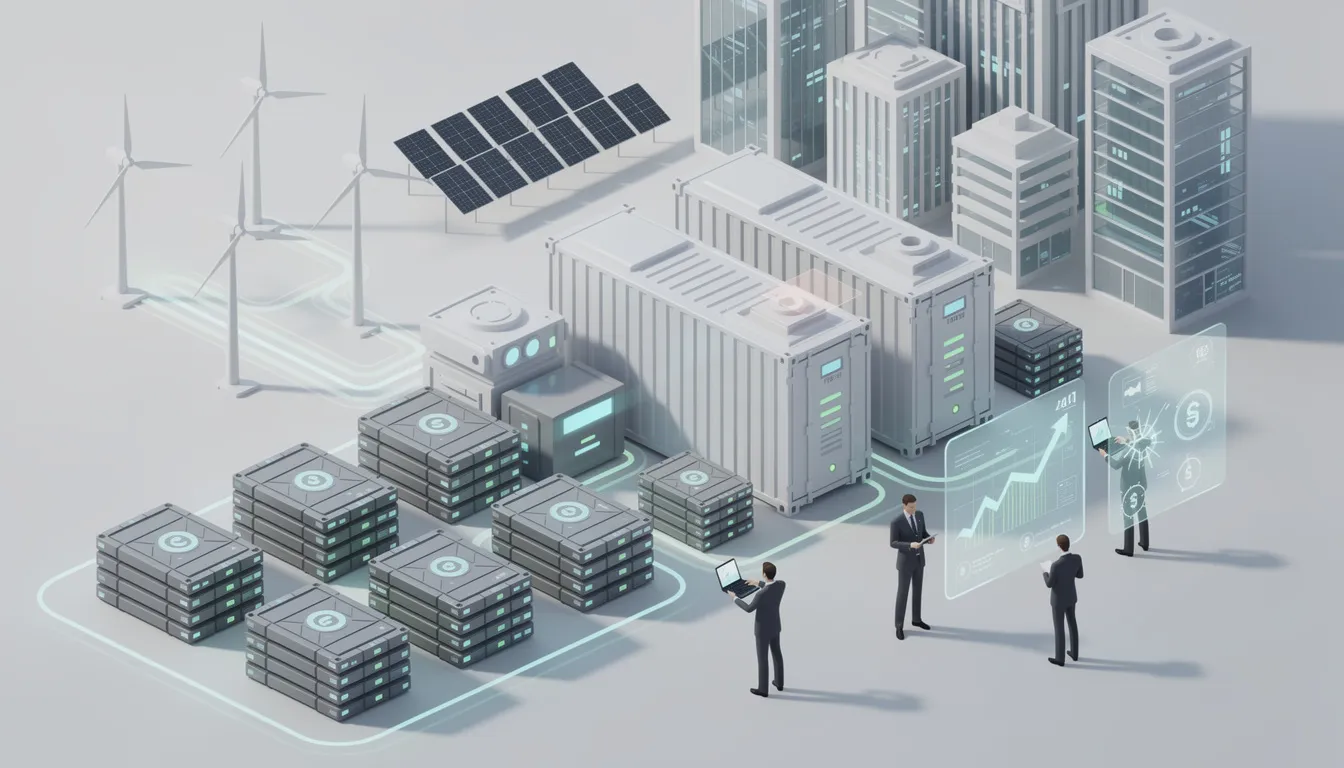

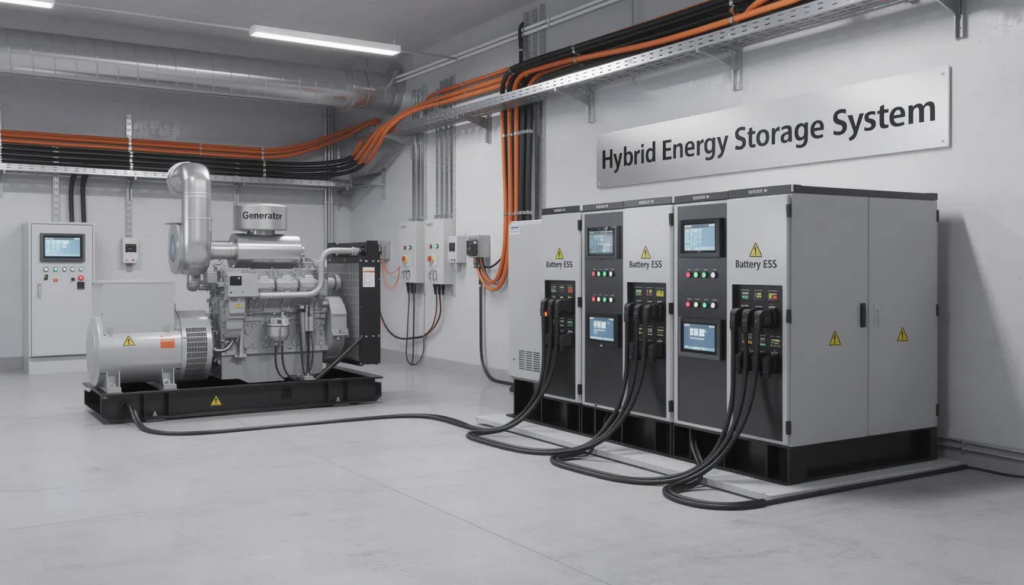
A hybrid energy storage system is one of the most practical energy storage solutions for real-world sites where diesel alone is expensive, inefficient, and unreliable. A modern hybrid energy storage solution combines energy storage systems, control logic, and conventional power generation to deliver reliable power supply, better system efficiency, and lower electricity costs.
Instead of running one generator 24/7, a hybrid energy system balances power generation with stored energy so that fuel is used only when truly needed. This approach improves power quality, reduces greenhouse gas emissions, supports renewable energy sources, and increases grid reliability in weak-grid regions.
What Is a Hybrid Energy Storage System?
A hybrid energy storage system (sometimes abbreviated as energy storage system HESS) is a hybrid system built from two or more storage technologies operating together under shared control systems.
Unlike a single energy storage system, hybrid setups are designed to balance:
high power density (fast response)
high energy density (long discharge)
energy storage capacity (how much you can shift)
system reliability (how stable power supply stays)
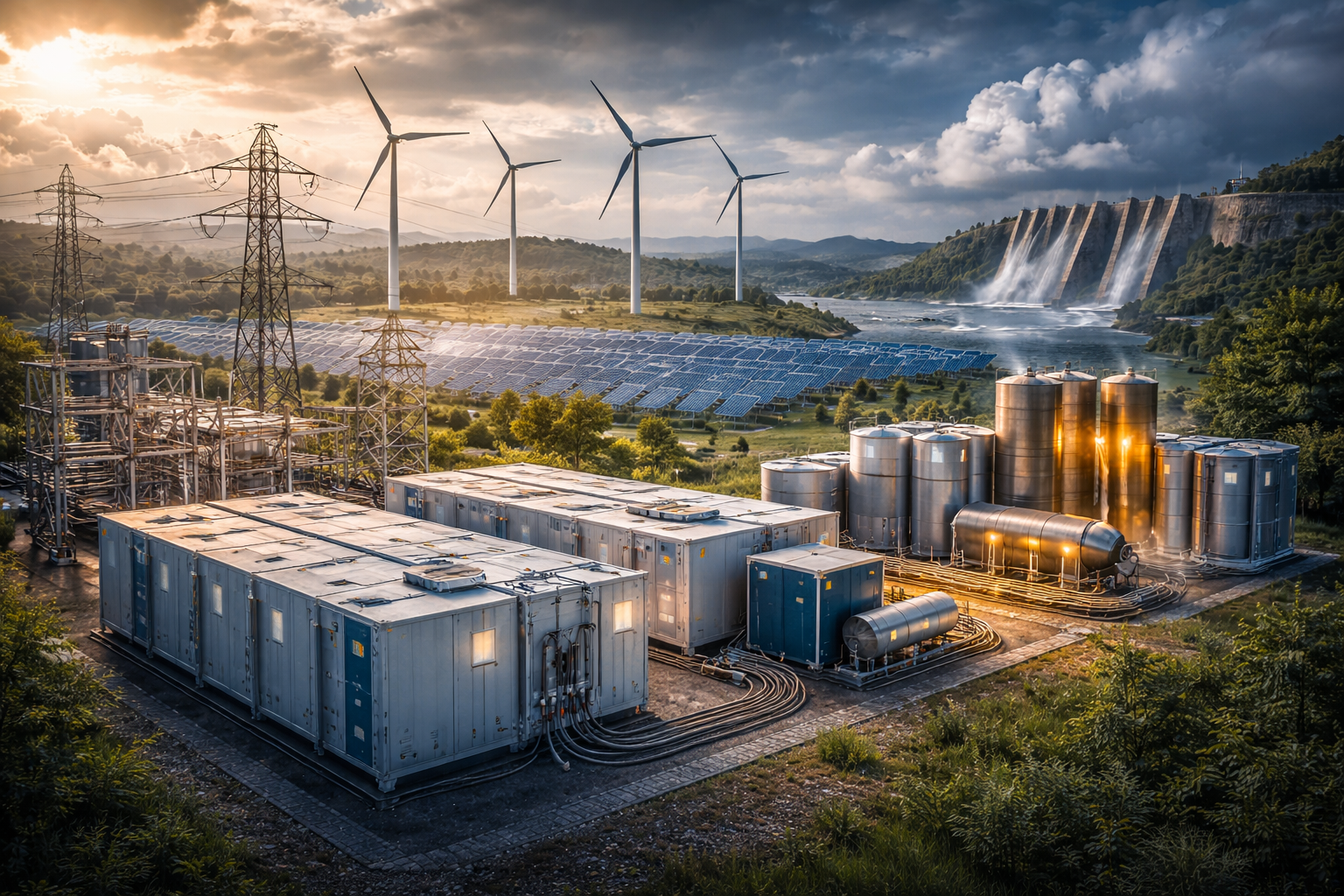
A typical hybrid energy storage system uses a battery storage system (usually lithium ion battery) combined with other energy storage technologies such as:
thermal energy storage / thermal storage
pumped hydro storage / hydro storage
fuel cells
or even mechanical storage devices depending on the site
Why Hybrid Energy Storage Beats Diesel Alone
Diesel-only power generation fails on economics. The generator runs even when demand is low, burning fuel inefficiently and causing unnecessary wear. Hybrid energy storage fixes that.
Hybrid energy storage optimizes fuel consumption
The system allows diesel to run at optimal load, while batteries cover fast changes in energy demand and smooth power fluctuations.
Result:
lower fuel usage
less maintenance
better lifecycle economics
Reliable power supply and better power quality
When a site needs stable electricity, diesel alone can’t react instantly. Hybrid energy storage systems provide rapid response, higher power quality, and protection against outages.
That is why hybrid energy storage is becoming a standard for:
weak grids
remote sites
industrial operations with high penalty downtime
Hybrid Energy Storage and Renewable Energy Integration
Hybrid energy storage systems work best when paired with renewable energy. A battery can store surplus energy during high production and deliver it later, making renewable generation stable and dispatchable.
Hybrid energy storage supports:
integration of renewable energy sources
better grid stability
reduced reliance on fossil fuels
lower energy consumption from diesel
Even small renewable additions (solar + hybrid storage) can materially reduce fuel burn and extend generator life.
Hybrid Energy Storage Technologies Used in Modern Systems
Hybrid energy storage systems are designed around complementary characteristics: one technology handles fast power, the other handles long duration.
Lithium-ion battery storage systems
A lithium ion battery delivers:
fast dispatch
stable voltage
high round-trip efficiency
excellent system performance in fast cycling
This is the most common solution for hybrid energy storage, especially where short-term buffering is key.
Thermal energy storage
Thermal energy storage helps reduce electrical battery size by shifting energy via heat storage (cooling/heating). It improves overall system efficiency where temperature control loads exist.
Pumped hydro storage
In regions with geography support, pumped hydro storage provides high storage capacity at low cost, but it is location dependent.
Fuel cells
In advanced designs, fuel cells may be integrated for long duration backup and clean generation, supporting better emissions control.
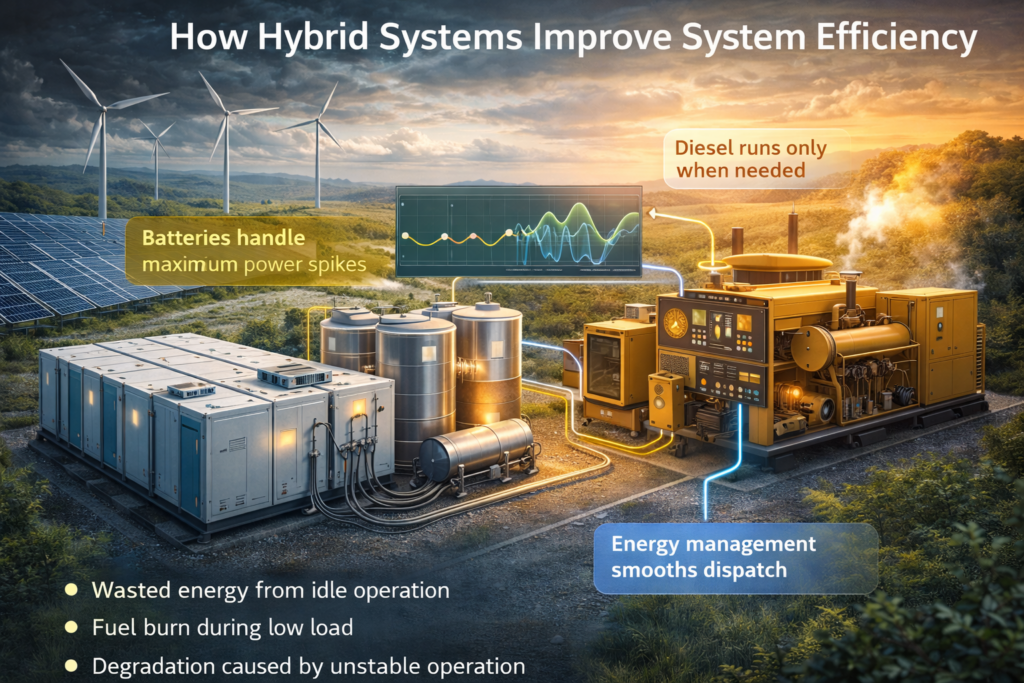
How Hybrid Systems Improve System Efficiency
A hybrid energy system improves system efficiency by operating each component in its sweet spot.
Instead of forcing diesel to cover everything:
batteries handle maximum power spikes
diesel runs only when needed
energy storage capacity absorbs variability
energy management smooths dispatch
This reduces:
wasted energy from idle operation
fuel burn during low load
degradation caused by unstable operation
This is the fastest way to optimize energy storage without oversizing equipment.
Energy Management Strategies: The Real Advantage
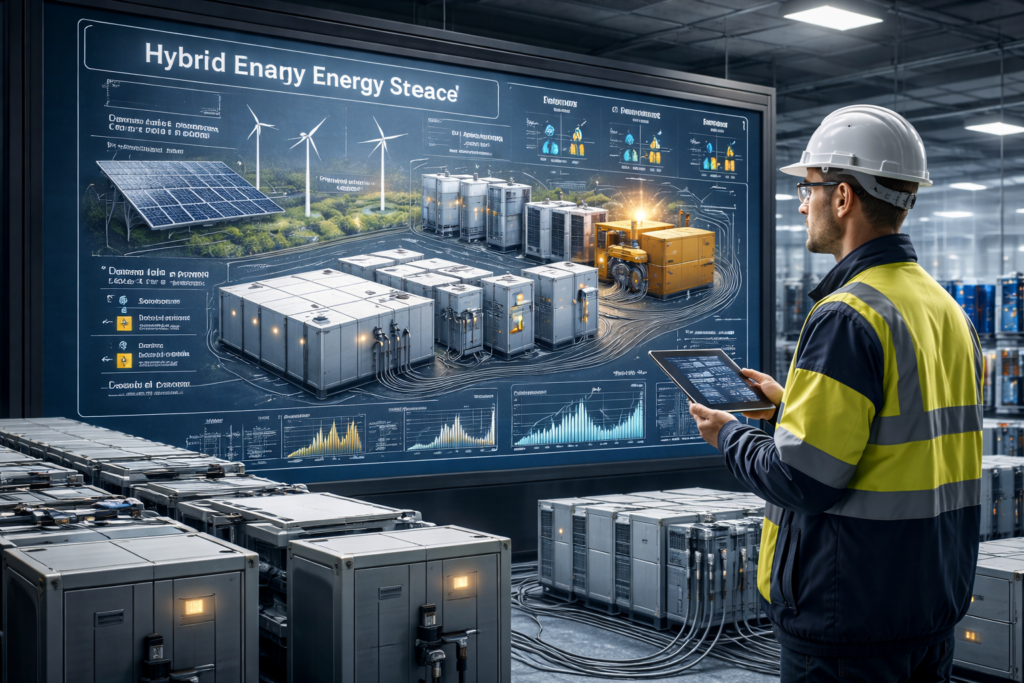
Hardware is nothing without intelligence. The biggest value in hybrid storage comes from energy management strategies and control strategies that decide how power flows.
A proper controller balances:
load demand
renewable energy availability
diesel efficiency curve
battery SOC range
lifecycle optimization
That is why modern hybrid energy storage systems are used in smart grids, microgrids, and industrial power systems with high variability.
Electricity Costs and Total Investment Costs
Hybrid energy storage is built for financial reality.
A hybrid energy storage system reduces:
electricity costs
fuel costs
downtime costs
But the decision must still consider:
total investment costs
expected savings
maintenance cost reductions
system lifetime
In most practical projects, hybrid energy storage shows significant advantages versus diesel-only due to better utilization and reduced waste.
Energy Storage Capacity and Battery Capacity
Energy storage capacity defines how long the system can run on stored energy. Battery capacity is only one piece of that equation.
Hybrid energy storage often allows a smaller battery system because diesel is still present for long duration, while the battery handles fast stabilization and cycling.
That’s why hybrid systems are more cost-effective than “full battery replacement” designs in industrial settings.
Life Cycle Economics: Why Hybrid Wins
Hybrid designs are built around long-term outcomes, not only CAPEX.
Life cycle benefits include:
fewer generator hours
lower maintenance cost
reduced fuel consumption
extended equipment lifetime
lower emissions footprint
In lifecycle terms, hybrid energy storage is simply a higher-performance energy supply model.
Future Research Directions for Hybrid Storage Systems
The strongest development areas are:
better integration of various storage technologies
improved automation of energy management
lower cost storage devices
hybrid solutions for grid stability and remote power supply
deeper integration of EV-based infrastructure and electric vehicles in power systems (V2G and fleet buffering)
Hybrid energy storage is one of the clearest paths toward cost-effective clean energy — without sacrificing reliability.
Conclusion: Hybrid Energy Storage System Is Proven, Not Optional
A hybrid energy storage system delivers what diesel can’t:
reliable power supply
lower electricity costs
higher system efficiency
better system reliability
lower greenhouse gas emissions
Instead of choosing between diesel and renewables, hybrid energy storage combines both and proves the result in real operation.
If the goal is stable energy supply with lower cost and reduced fuel dependency, a hybrid energy storage solution is already the winning format.
Related Products from Aema ESS
Explore Aema ESS energy storage solutions for backup power, grid support, and renewable energy integration.
Featured systems:
Contact us today to receive a tailored offer for your upcoming project.