
Introduction to energy storage
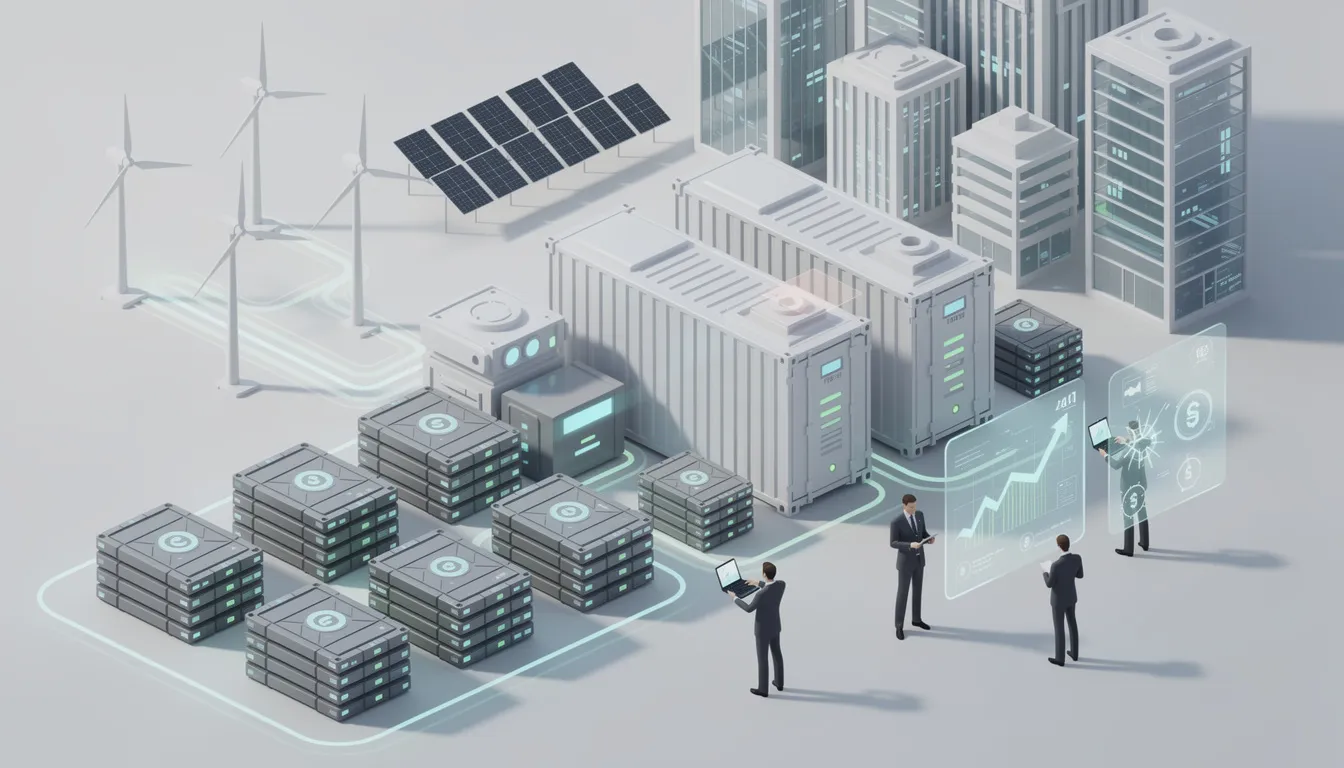
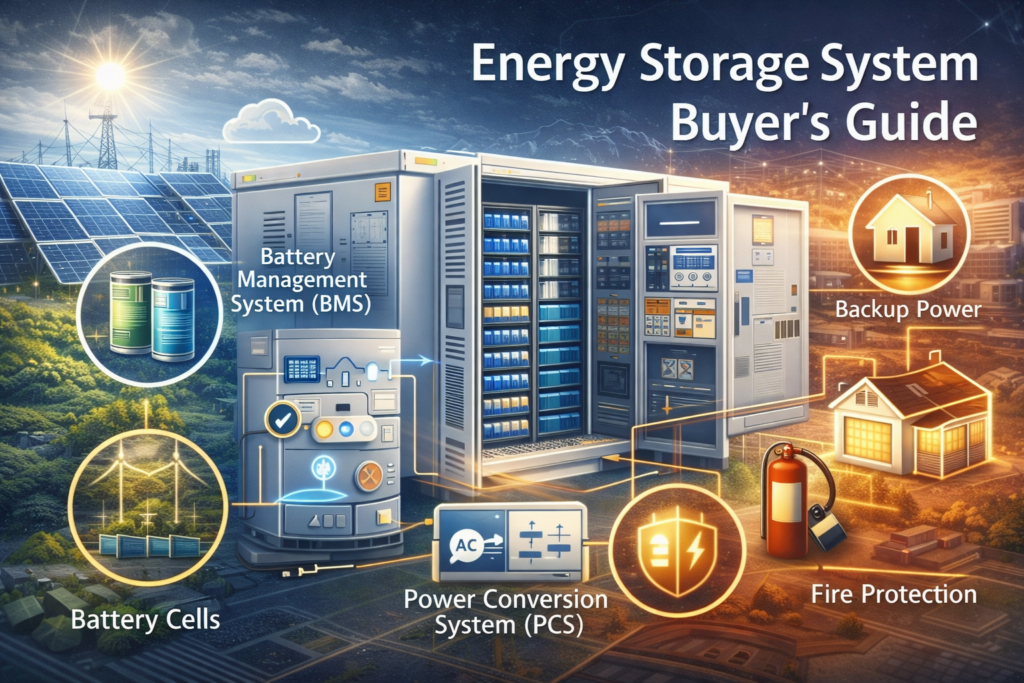
Energy storage systems are transforming the way we manage and utilize electricity in today’s dynamic energy landscape. Energy Storage Systems (ESS) store electricity for later use, helping balance supply and demand and improving reliability when renewable generation is intermittent. A typical energy storage system includes batteries, a battery management system (BMS) to monitor and protect the battery modules, a power conversion system (PCS) to handle the flow of electricity, and an energy management system (EMS) for smart energy management and optimization. A Battery Energy Storage System (BESS) is not just a battery; it includes battery cells, modules, racks, power conversion equipment, thermal management, fire protection, and monitoring software. The system stores electricity generated by solar PV and other sources, making it available when needed. These components work together to provide backup power during grid outages, enhance grid stability, and maximize the use of renewable energy. As the shift toward sustainable energy accelerates, energy storage solutions are becoming essential for both residential and commercial applications, supporting a resilient and efficient energy future. The Energy Information Administration (EIA) provides authoritative data and benchmarks on energy storage, helping buyers make informed decisions.
Benefits of energy storage solutions
Adopting energy storage solutions delivers a range of benefits for homeowners, businesses, and utilities alike. By storing surplus electricity generated from solar PV or other renewable energy sources, an energy storage system can reduce electricity costs and provide reliable backup power during grid outages. Battery Energy Storage Systems (BESS) are widely deployed across commercial buildings, industrial facilities, data centers, and agricultural operations. Energy storage also enables users to optimize consumption by shifting load to lower-priced periods and reducing peak demand charges through peak shaving and load shifting. NREL highlights that combining energy storage with renewable generation supports grid reliability and enables higher renewable penetration, accelerating the transition to a cleaner energy system. By improving self-consumption and reducing curtailment, energy storage helps maximize the value of both stored and generated energy. These advantages make energy storage a key component in achieving energy independence, lowering electricity bills, and supporting a more resilient energy supply.
Types of energy storage systems
When selecting an energy storage system, it’s important to understand the main technologies available and their practical advantages. Lithium-ion systems, especially those using lithium iron phosphate (LiFePO4, LFP) chemistry, are widely adopted due to their strong safety profile, long cycle life, and high overall efficiency. LFP-based systems deliver reliable performance and long service life, making them suitable for both residential installations and larger commercial applications. Other technologies include lead-acid systems, which are lower-cost but typically offer shorter cycle life and lower usable capacity, and flow batteries, which provide scalable energy capacity and can be well-suited for large-scale or off-grid applications. Modern Battery Energy Storage Systems (BESS) are increasingly built around modular architectures, allowing capacity and power to be expanded as energy needs grow without replacing the entire system. BESS solutions can also be integrated with solar PV, diesel generators, and the electricity grid to enable flexible operation across multiple use cases. Hybrid Energy Storage Systems (HESS) combine two or more storage technologies to optimize performance for specific operational requirements. When comparing options, key parameters include energy capacity, power rating, round-trip efficiency, and expected cycle life relative to the intended duty profile.
Understanding Battery Basics
Selecting the right energy storage system starts with a solid understanding of battery fundamentals. The key terms to know include capacity, battery chemistry, cycle life, depth of discharge (DoD), and efficiency. Capacity, measured in kilowatt-hours (kWh), describes how much energy a battery can store and deliver to a home or business. Chemistry refers to the battery type—lithium-ion technologies dominate modern storage systems, with lithium iron phosphate (LiFePO4, LFP) widely adopted due to its high efficiency, long cycle life, and strong safety characteristics.
Cycle life refers to the number of charge and discharge cycles a battery can complete before its usable capacity declines, making it a key indicator of long-term value. Depth of discharge (DoD) describes how much of the battery’s total stored energy can be used before recharging; higher DoD increases usable capacity, although actual limits depend on the manufacturer’s operating guidelines and warranty conditions. Round-trip efficiency indicates how much energy is retained through the charge and discharge process; higher efficiency means fewer losses and improves the overall economics of the storage system.
A reliable battery management system (BMS) is essential for monitoring each battery module, preventing unsafe operating conditions such as overcharging or overheating, and ensuring stable, consistent performance over the system’s lifetime. When evaluating solutions, consider the energy capacity required, the power output needed to support your loads, and compatibility with solar PV or other renewable energy sources. A clear understanding of these fundamentals will help you select an energy storage system that delivers dependable performance and supports your long-term energy objectives.
Key Components of an Energy Storage System
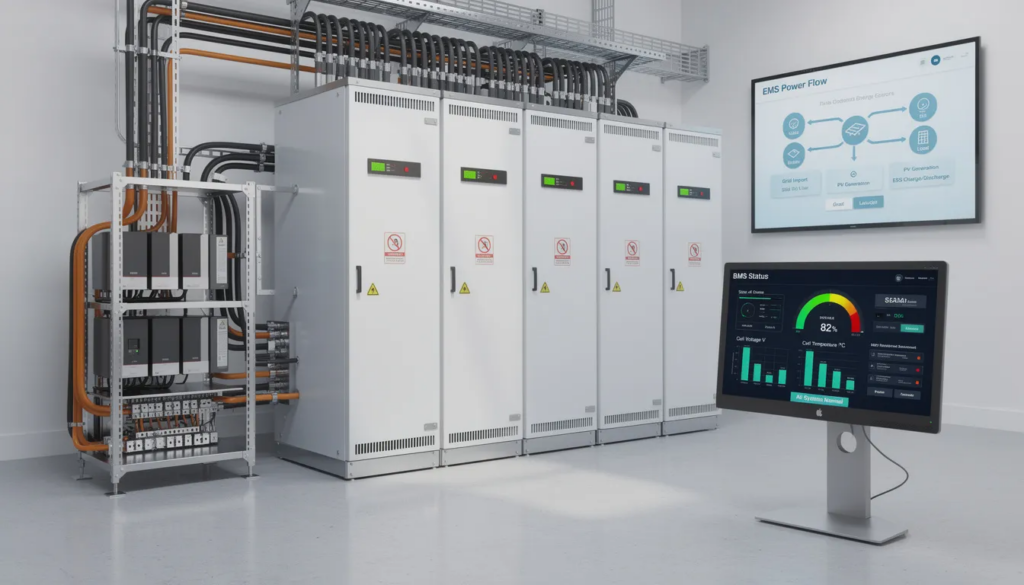
A complete energy storage system includes several core components that work together to store and deliver electricity when it is needed. At the center of the system are the batteries, which store electricity generated by solar PV or other power sources. The battery management system (BMS) ensures each battery module operates safely and efficiently by monitoring key parameters such as temperature, voltage, and state of charge, helping maximize performance, reliability, and service life.
The power conversion system (PCS) converts the direct current (DC) stored in the batteries into alternating current (AC) suitable for use in a home or business. The energy management system (EMS) coordinates overall operation, optimizing when and how energy is stored or discharged based on consumption patterns, electricity prices, and grid conditions.
Additional components may include solar PV for renewable generation, backup generators for increased resilience, and grid interconnection equipment to enable seamless operation with the local utility network. Modular system designs allow capacity and power to be expanded over time by adding battery modules or inverter capacity as energy needs grow. When designing the solution, consider required energy capacity, power rating, and how the system will deliver backup power, reduce peak demand, and support long-term energy independence.
The purpose of storage
Be exact about the role of the system in your operation. Load shifting and energy resilience are also key purposes for energy storage systems, enabling users to optimize energy use and maintain power during outages. Backup, peak shaving, tariff optimisation, renewable firming, participation in balancing markets, load shifting, or energy resilience each demand different configurations and control strategies. A supplier cannot design value if you cannot define intent.
Your load and energy profile
Provide at least one full year of load data, including consumption, export, and demand peaks. Understanding your usage patterns is essential for optimizing system performance and battery lifespan. The system’s size, cycle count, and return on investment all depend on real data, not estimates.
Required power and duration
Decide how long the system should supply power at maximum load. The power rating (measured in kilowatts, kW) determines the maximum output the system can deliver at any given time, and should be considered alongside energy capacity (measured in kilowatt hours, kWh). A 1 MW system that runs for one hour is a completely different asset from one designed for four hours. This single ratio, kW to kWh, drives the entire design.
Environmental and site conditions
Know your environment. Outdoor or indoor installation, ambient temperature, humidity, dust, and noise constraints determine cooling method and enclosure design. For outdoor installations, systems should be placed away from direct sunlight—such as under eaves or in shaded areas—to ensure optimal performance. If you cannot provide environmental parameters, expect the supplier to overdesign for safety margins, and always ensure compliance with local codes and regulations for both indoor and outdoor installations.
Preferred battery chemistry and limits
Understand the trade-offs between lithium chemistries when selecting an energy storage system. Lithium battery technology has become the standard for modern battery energy storage systems due to high energy density, strong round trip efficiency, and scalable performance across residential and commercial energy storage solutions. In 2026, LFP (Lithium Iron Phosphate, LiFePO4) is widely adopted for stationary battery storage because of its thermal stability, long cycle life, and cobalt-free chemistry. Many modern lithium iron phosphate batteries can support up to 100% depth of discharge (DoD), depending on manufacturer operating limits and warranty conditions, enabling higher usable energy storage capacity without compromising safety or lifespan. NMC (Nickel Manganese Cobalt) typically offers higher energy density but lower thermal stability, while LTO (Lithium Titanate Oxide) delivers exceptional cycle life and fast charging performance at a higher cost.
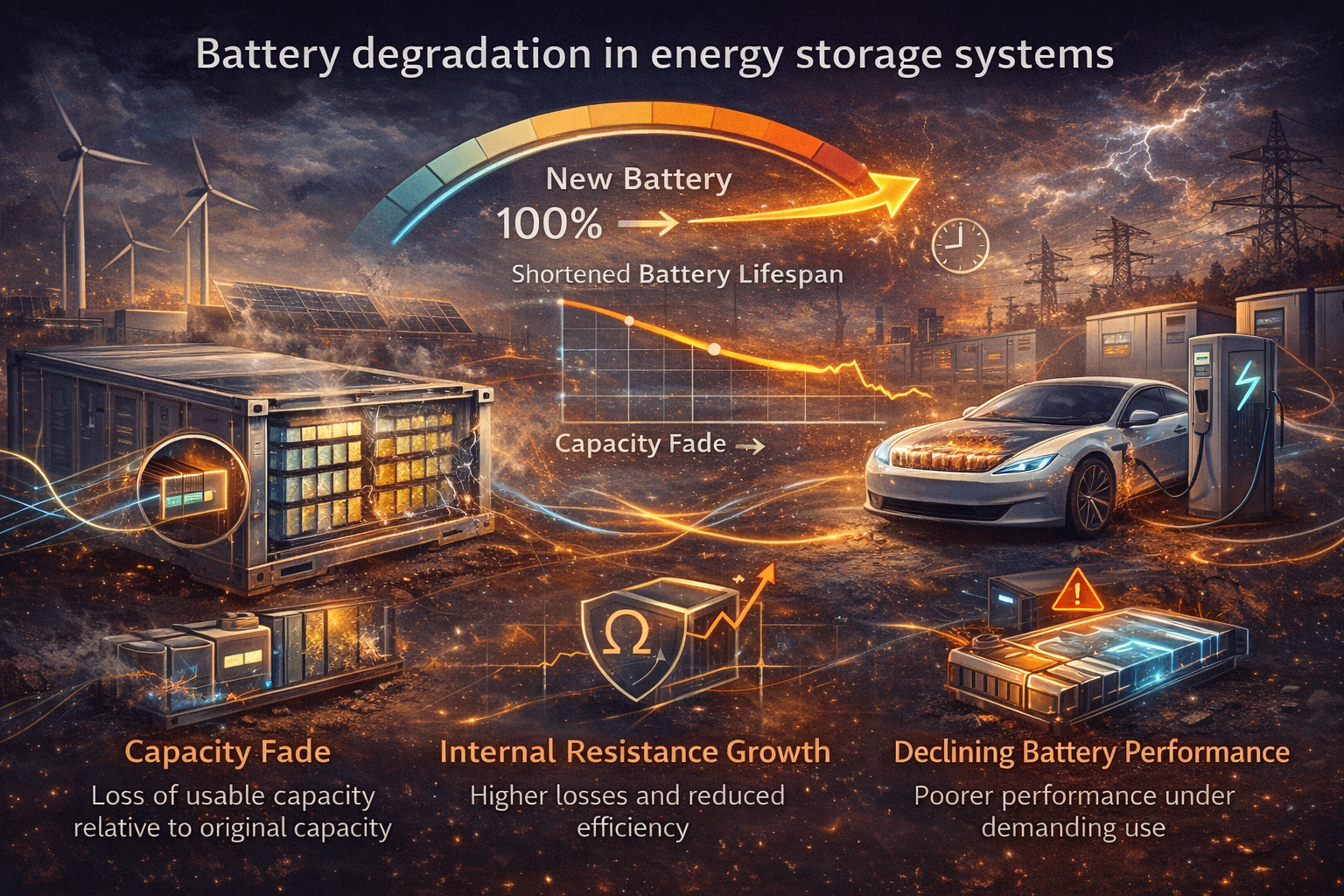
When selecting a solar battery for an energy storage system, keep in mind that the service life of most lithium-ion battery-based ESS is typically measured in years and discharge cycles, and it ultimately depends on usage patterns, depth of discharge, operating temperature, and system maintenance. Battery degradation is driven by real operating conditions, not brochure numbers, so duty profile matters for long-term value. Each battery module is a critical component within larger battery energy storage systems, and its performance directly affects safety, energy storage capacity, and reliable performance of the entire system. A high-quality Battery Management System (BMS) is essential for smart energy management at the cell and module level, monitoring temperature, voltage, and state of charge, while protecting the battery system from overcharging, overheating, imbalance, and abnormal operating conditions.
You don’t need to choose the chemistry, but you must know what matters most: safety, energy density, or lifetime.
Power Conversion System (PCS) architecture
Determine the required inverter topology for the energy storage system, including single-phase or three-phase configuration, voltage level, and whether grid-forming capability is needed for energy resilience. The Power Conversion System (PCS) defines the system’s power quality, response speed, and how the storage system interacts with the electricity grid and local loads. Proper coordination between the PCS and control logic is essential, because it determines how efficiently the entire system operates across key use cases such as backup power, peak shaving, and load shifting. A well-integrated PCS also enables smart energy management by coordinating HVAC loads, batteries, solar PV generation, and demand response participation, improving reliability while supporting long-term cost savings.
Compliance and safety requirements
Know the mandatory standards and compliance requirements for your jurisdiction before selecting an energy storage system. This includes CE conformity, UN 38.3 transport testing, local fire-safety codes, and grid connection rules. Safety design is a core requirement for modern battery energy storage systems, and should include fire detection, fire suppression, and fire protection measures appropriate to the installation type and risk profile. A complete storage system should also incorporate ventilation, thermal management, and continuous monitoring to protect personnel, assets, and operations while ensuring reliable performance. In markets where applicable, safety certifications such as UL 9540 and compliance frameworks like NFPA 855 can be critical for permitting, insurer approval, and overall risk management. Always request verified certificates and test documentation with traceability, not generic declarations without reference numbers.
Testing and acceptance
Factory Acceptance Tests (FAT) confirm the energy storage system meets functional and safety requirements before shipment, including verification of the battery management system, PCS performance, control logic, and monitoring functions. Site Acceptance Tests (SAT) validate performance after installation and commissioning, confirming power output, response behavior, protection settings, and overall system operation under real grid and load conditions. Define acceptance criteria in advance, and assign clear responsibility within your team for reviewing test results, documenting deviations, and signing final reports.
Data ownership and control
Decide early how your team will monitor and control the energy storage system. Confirm whether the storage system will integrate with your existing SCADA environment or rely on the supplier’s cloud platform. Ensure your organization retains direct access to performance and event data, including state of charge, power output, alarms, and battery module metrics, to support auditing, warranty claims, troubleshooting, and long-term optimisation. Clear data ownership and reliable interfaces are essential for smart energy management and maintaining long-term value of the entire system.
Warranty principles
Learn the structure of energy storage system warranties and how value is defined over time. Warranty terms are typically based on capacity retention, energy throughput, and calendar years, and the first limiting parameter will determine the effective coverage period. Make sure you understand exactly how degradation will be measured, which operating conditions apply (such as depth of discharge limits, temperature range, and cycling profile), and what data must be recorded to validate warranty claims. Clear warranty interpretation is essential for evaluating long-term value and total cost of ownership for the battery system.
Site readiness
Before delivery, ensure the site is fully prepared, including completed foundations, conduits, trenching, grounding, and cable routes for the energy storage system. Verify crane access, lifting plans, and laydown space for battery containers, racks, and PCS equipment, especially for larger systems and outdoor installations. Delays caused by an unprepared site typically remain the buyer’s responsibility and can lead to added costs, rescheduling, and extended commissioning timelines.
Energy storage system costs and funding
The investment required for an energy storage system depends on several variables, including the storage technology, battery capacity, system configuration, and manufacturer. When sizing a storage system, define the required energy storage capacity based on daily energy consumption, expected depth of discharge (DoD), system voltage, and target backup power duration. While upfront costs can be significant, long-term cost savings from lower electricity bills, peak shaving, and improved energy independence often justify the investment. For residential projects, a proper total cost of ownership (TCO) assessment should include equipment, installation, maintenance, warranty conditions, degradation expectations, and service life assumptions. Many regions also offer financial incentives such as government rebates, tax credits, and specialized financing programs that can reduce the upfront investment and improve overall project economics.
When evaluating energy storage solutions, buyers should assess their operational goals, compare battery technology, round trip efficiency, and expected cycle life, and focus on total cost of ownership, warranty structure, installer expertise, and safety certifications to ensure reliable performance. It is also important to evaluate whether the energy storage system can integrate with smart energy management platforms, including smart home ecosystems, solar PV monitoring, and dynamic tariff optimization. A structured assessment of these factors helps buyers maximize cost savings, improve energy resilience, and ensure the energy storage system investment delivers long-term value across the intended duty profile.
Energy storage system maintenance and repair
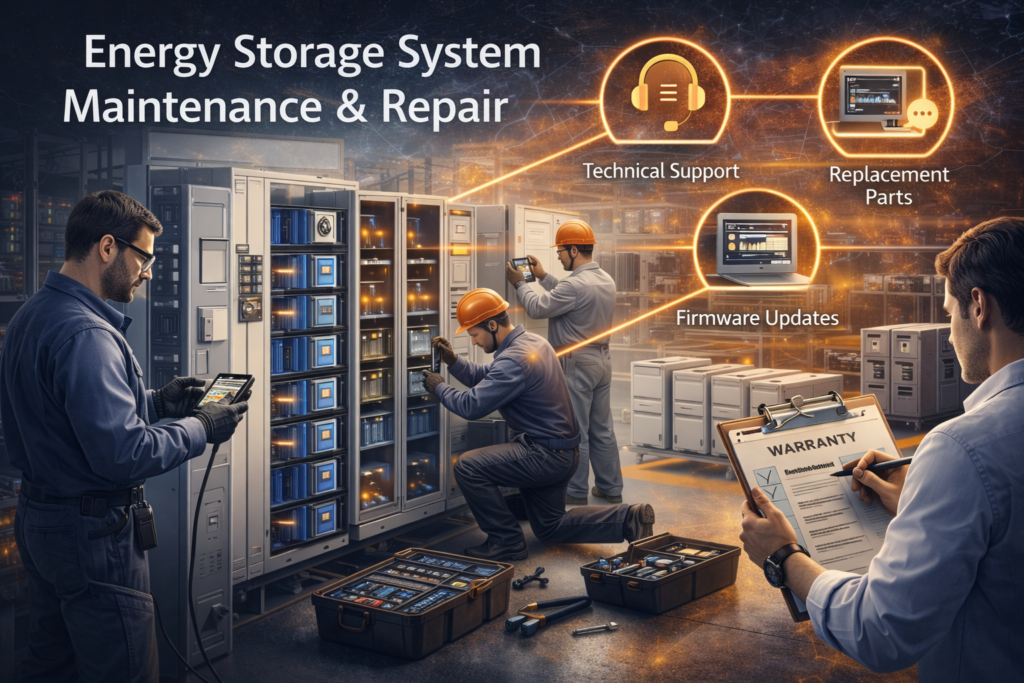
Ensuring the longevity and reliable performance of an energy storage system requires regular maintenance and prompt repair when issues arise. Routine tasks include monitoring system performance, reviewing battery management system (BMS) alerts, checking state of charge, and keeping firmware and EMS software updated to maintain higher efficiency and stable operation. In the event of a malfunction, responsive technical support and readily available replacement parts are critical to minimize downtime and protect the entire system’s long-term value. When selecting an energy storage system, review the manufacturer’s warranty coverage, service response commitments, and support model to ensure you have the resources needed for ongoing maintenance, troubleshooting, and repair throughout the system lifecycle.
Many modern energy storage systems use modular design and scalable system architecture, allowing storage capacity to be expanded over time by adding more batteries or upgrading inverter capacity as energy needs grow. Modular construction also simplifies maintenance by enabling replacement of individual components, such as a battery module or PCS element, without disrupting the entire system. A well-maintained energy storage system protects long-term value and helps ensure reliable energy supply, delivering consistent backup power during a grid outage and supporting ongoing energy resilience.
Energy Storage System Monitoring and Control
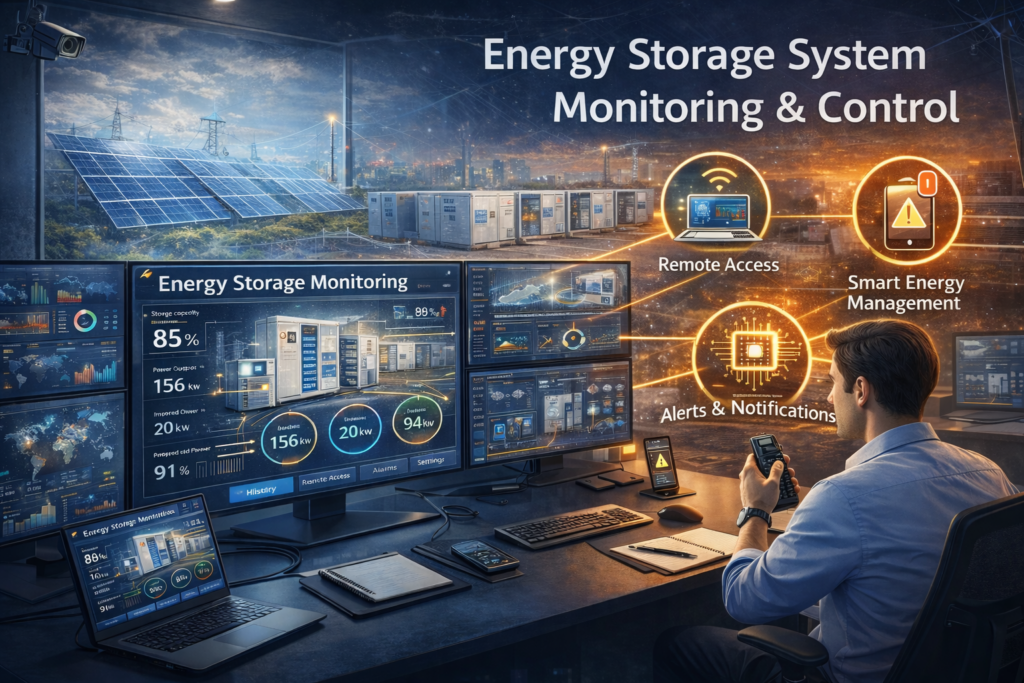
Effective monitoring and control are essential for maximizing the value of an energy storage system. Modern storage systems include advanced monitoring tools that provide real-time visibility into energy storage capacity, power output, state of charge, and system efficiency. This data allows operators to track how much stored energy is being charged, discharged, consumed on-site, or exported to the grid, and to detect anomalies early before they impact reliable performance of the entire system.
A robust monitoring and control system should support remote access, allowing you to manage the energy storage system from anywhere and respond quickly to changing conditions. User-friendly dashboards make it easy to review system status, adjust operational settings, and receive real-time notifications about system events, alarms, or a grid outage. Accurate data and reliable controls are essential for optimizing energy consumption, improving smart energy management, maintaining safe operation, and maximizing the long-term value of the storage system investment.
When choosing a monitoring and control solution, prioritize compatibility with your energy storage system, clear and accessible data visualizations, and the ability to integrate with other smart energy management tools such as solar PV monitoring, dynamic tariff optimisation, and home automation platforms. With the right solution in place, you gain confidence that the entire system is operating efficiently, supporting reliable performance and remaining ready to deliver backup power whenever it is needed.
End of cycle life, responsibility for battery system
Under the EU Battery Regulation (EU) 2023/1542, traceability and end-of-life obligations apply across the battery value chain, including documentation, collection, and recycling requirements. To ensure compliance and reduce risk, record serial numbers, batch information, and recycling or take-back agreements from day one, and keep this documentation accessible throughout the energy storage system lifecycle.
Related Products from Aema ESS
Explore Aema ESS energy storage solutions for backup power, grid support, and renewable energy integration.
Featured systems:
Contact us today to receive a tailored offer for your upcoming project.